How to Choose, Use and Clean a Hydrogen Water Bottle
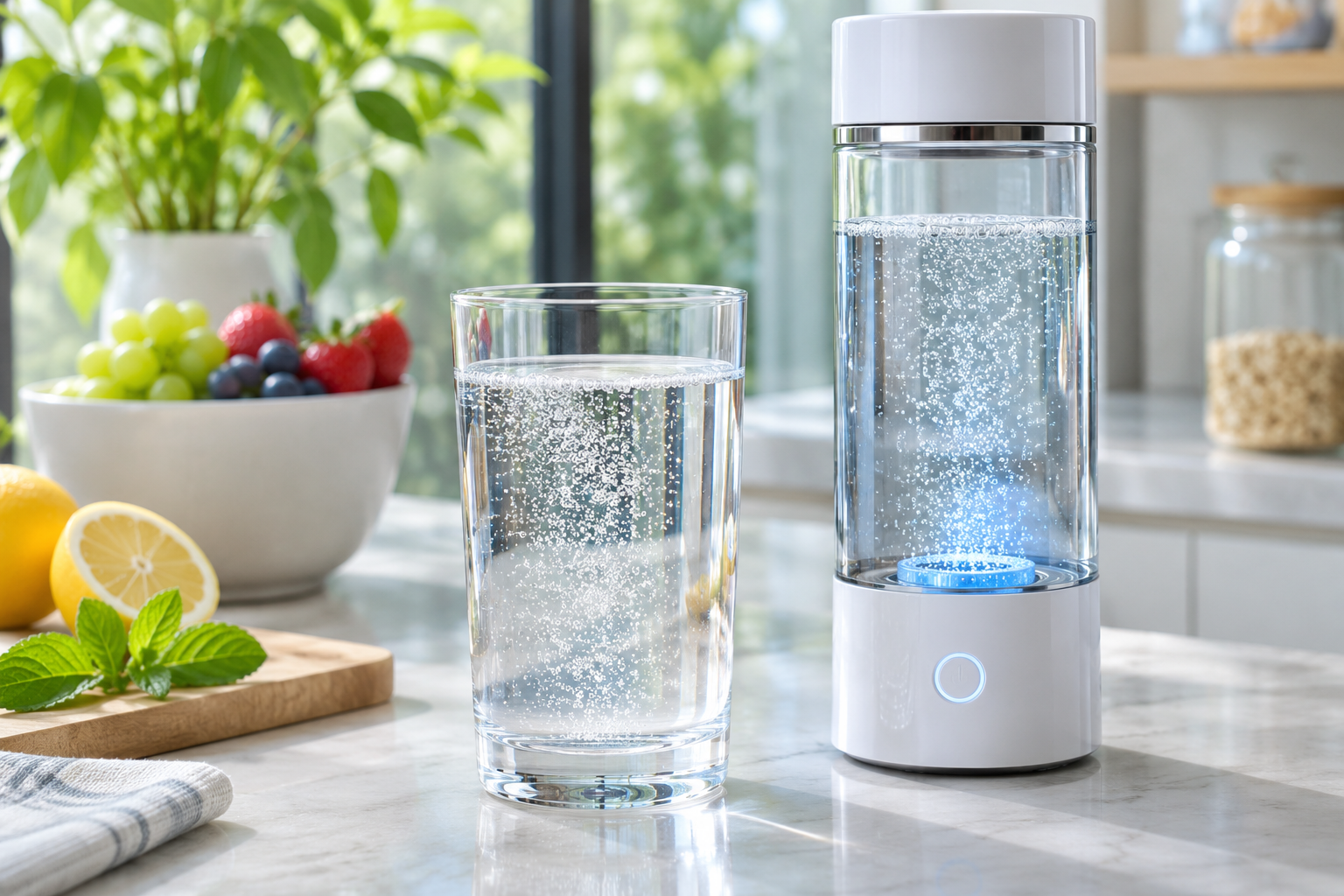
Hydrogen water bottles electrolyze drinking water into hydrogen-rich water of up to several thousand ppb. This guide covers how the bottles work, what to compare when choosing one, daily use steps, and cleaning habits that keep concentration and taste right.
A hydrogen water bottle is a portable electrolysis cup: fill it with drinking water, run one cycle, and the built-in SPE/PEM electrode dissolves hydrogen gas into the water as fine microbubbles. Catalog concentrations range from around 3,000 to 9,000 ppb depending on the model — manufacturer-listed values measured at the end of a standard cycle with drinking water, and dissolved hydrogen gradually escapes over time, so the concentration you drink is highest right after the cycle. This guide answers the three questions buyers and end users actually ask: how to choose one, how to use it daily, and how to clean it so the concentration holds up.
How the bottle works
When the cycle starts, the base electrode splits water; hydrogen dissolves into the bottle while oxygen and residual ozone/chlorine by-products are vented through the base valve. Dual-chamber designs separate the venting more thoroughly — under the same water quality and cycle length, that design helps models like the H90 dual-chamber bottle list higher concentrations with a cleaner taste, though actual concentration always depends on the water and the cycle. A cycle typically takes 3–10 minutes, and concentration is quoted in ppb (parts per billion).
Choosing a bottle: four comparisons that matter
- Concentration: 3,000–4,000 ppb suits everyday drinking; 6,000–9,000 ppb models suit users who want stronger saturation or track concentration figures.
- Capacity: 230–350 ml bottles travel well; 500–600 ml suits desk use; the 1,500 ml sports bottle covers gym and outdoor use.
- Electrode and chamber: SPE/PEM membrane and dual-chamber venting produce cleaner water than single-chamber cells, especially with tap water.
- Power and charging: USB-C charging, cycle time and number of cycles per charge decide how practical the bottle is on the road.
Daily use in four steps
- Fill the bottle to the marked line with drinking water — filtered or purified water gives the best result and longest electrode life.
- Press the button and let one full cycle finish; microbubbles rising through the water show the electrolysis is running.
- Drink soon after the cycle; dissolved hydrogen gradually escapes over time, so fresh cycles taste strongest.
- Recharge when the indicator dims, and keep the base dry when not in use.
Cleaning and care
- Rinse daily: empty leftover water and rinse the bottle; standing water dulls both taste and concentration.
- Descale regularly: mineral deposits on the electrode reduce output — in hard-water areas, a mild citric-acid soak every 2–4 weeks (or whenever scaling is visible) restores it. Follow the manual’s ratio and rinse thoroughly.
- Vent the by-products: after cycles with tap water, open the base vent briefly so chlorine residues escape rather than accumulate.
- Keep the base electronics dry: clean the cup body separately and never submerge the charging base.
Retailers choosing a range can start with one entry bottle, one dual-chamber high-concentration model and one large-capacity sports model, then adjust to their customer base and sell-through data; the 230 ml 6,000 ppb bottle is a common entry pick. Ask us for a sample set to test concentration and taste before committing to an order.
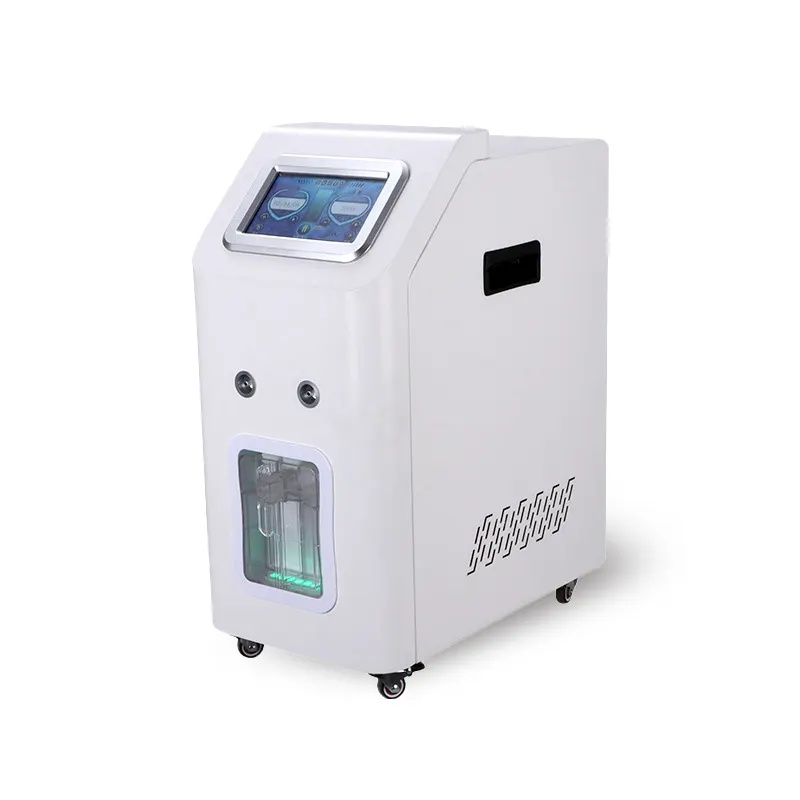
1500ml - 6000ml Hydrogen inhaler machine
Read More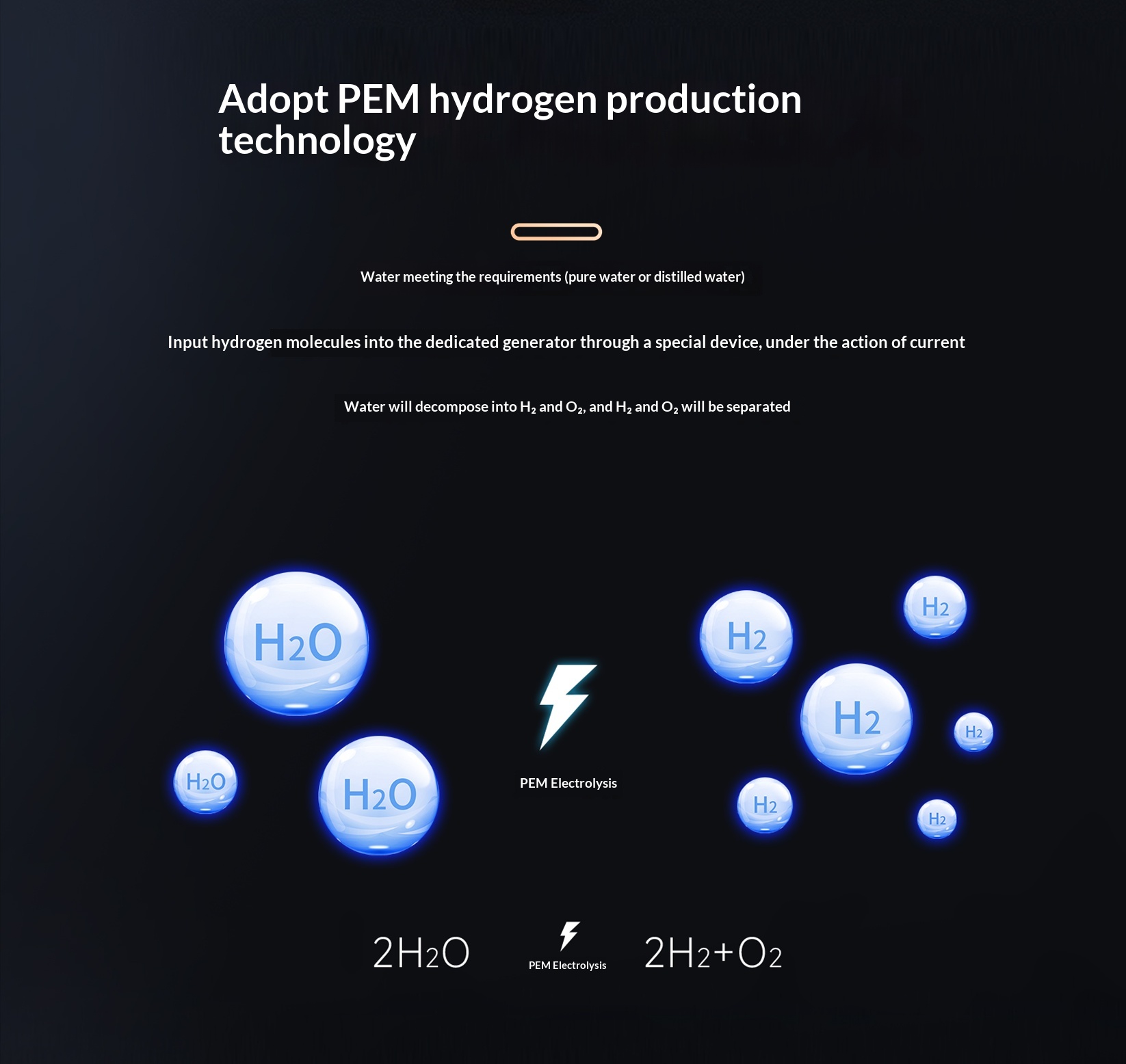
2026 Dual-Chamber Isolated Hydrogen Water Bottle, 5000–8000PPB Super Saturated H2, UV Sterilization, Imported PEM Proton Exchange Membrane, Ozone-Free Electrolysis, BPA-Free Hydrogen Cup
Read More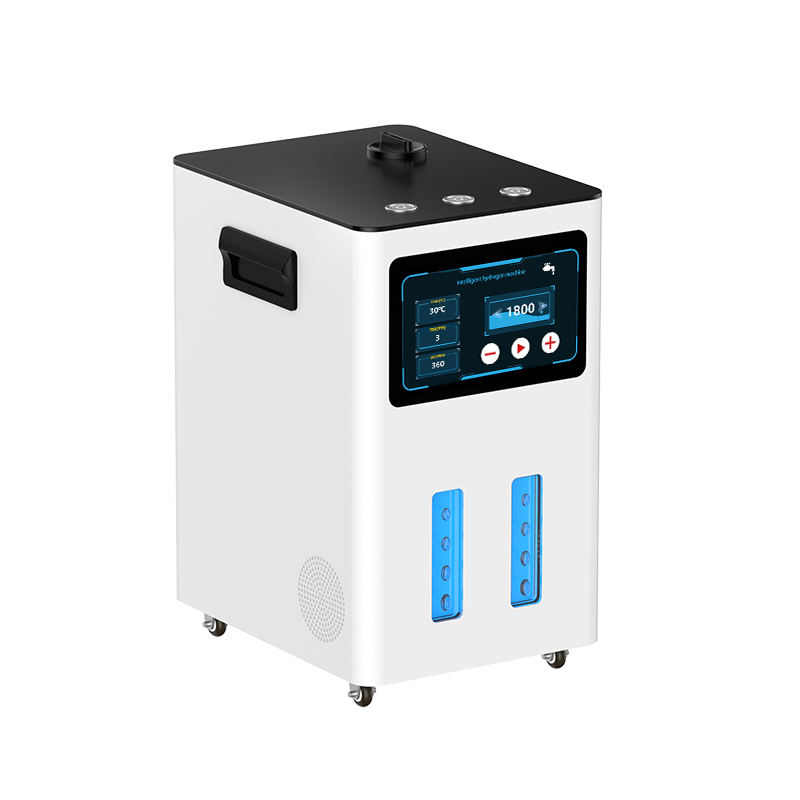
2026 New Trend Hydrogen Inhaler Machine 900ml 1200ml 1500ml 1800ml Hydrogen Generator H2 O2 Inhalation Medical Grade for Health
Read MoreLEAVE A MESSAGE
WE EXPORTED TO