
Hydrogen Generator Kit for Trucks: Combustion Support for Fleet Operators
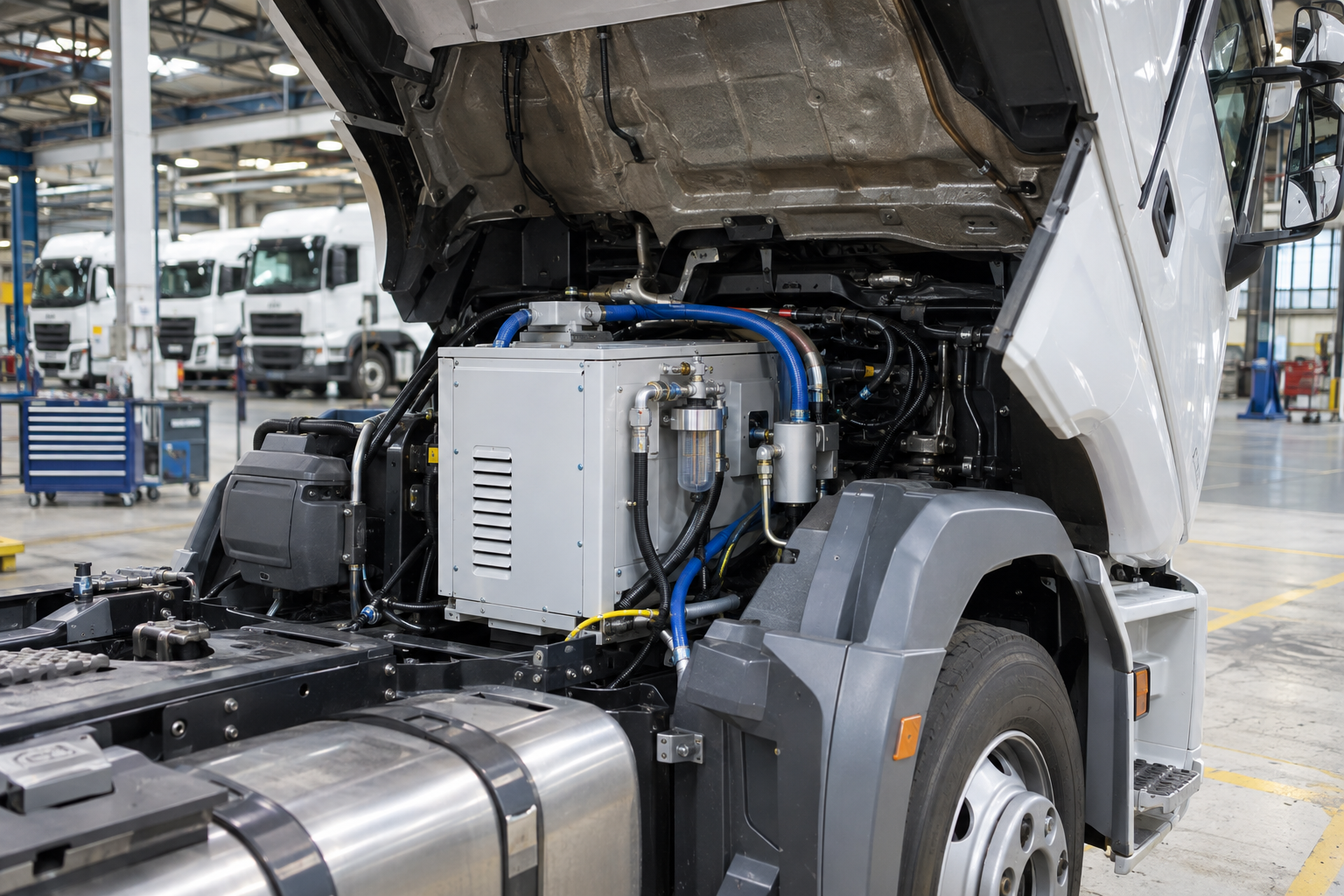
The manufacturer lists a 10%–18% fuel-economy improvement target for the truck kit from its own testing, along with cleaner combustion; fleets should verify results on comparable routes. Here is what the kit includes and how fleets deploy it.
For long-haul and distribution fleets, fuel is the largest controllable cost, and small combustion improvements multiply across high annual mileage. The hydrogen generator kit for trucks applies the same on-demand HHO principle as the car kit at a scale suited to heavy diesel engines: adding hydrogen to the intake supports fuller combustion of the injected fuel. The manufacturer lists a 10%–18% fuel-economy improvement target for the kit based on its own testing; the figures come without published test conditions, so fleets should treat them as supplier targets and verify on comparable routes before scaling a purchase.
What the truck kit includes
- PEM hydrogen generator sized for heavy-engine intake volumes.
- Microcomputer transformer module that manages power draw and gas production against engine load.
- Water–gas separator and water tank for stable gas delivery on long runs.
- Resin filter and water pump that keep the supply water clean between services.
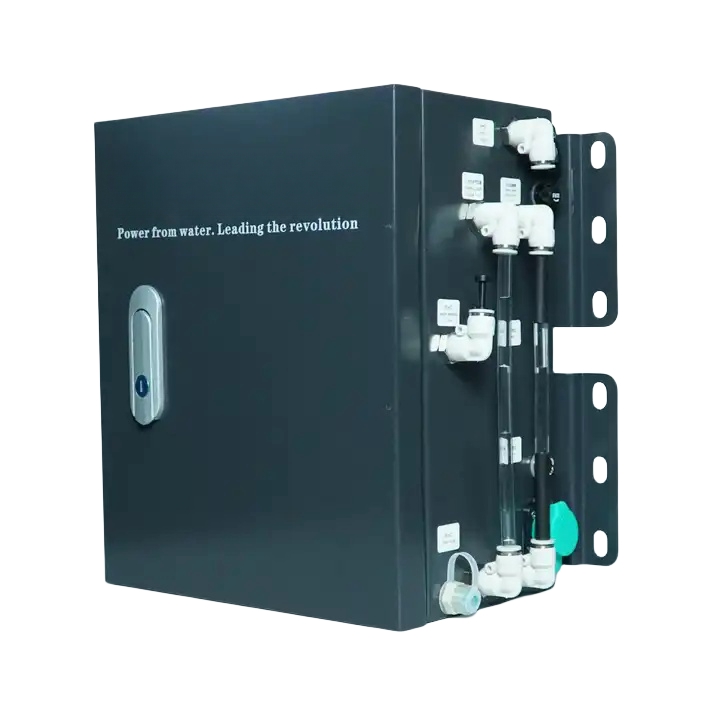
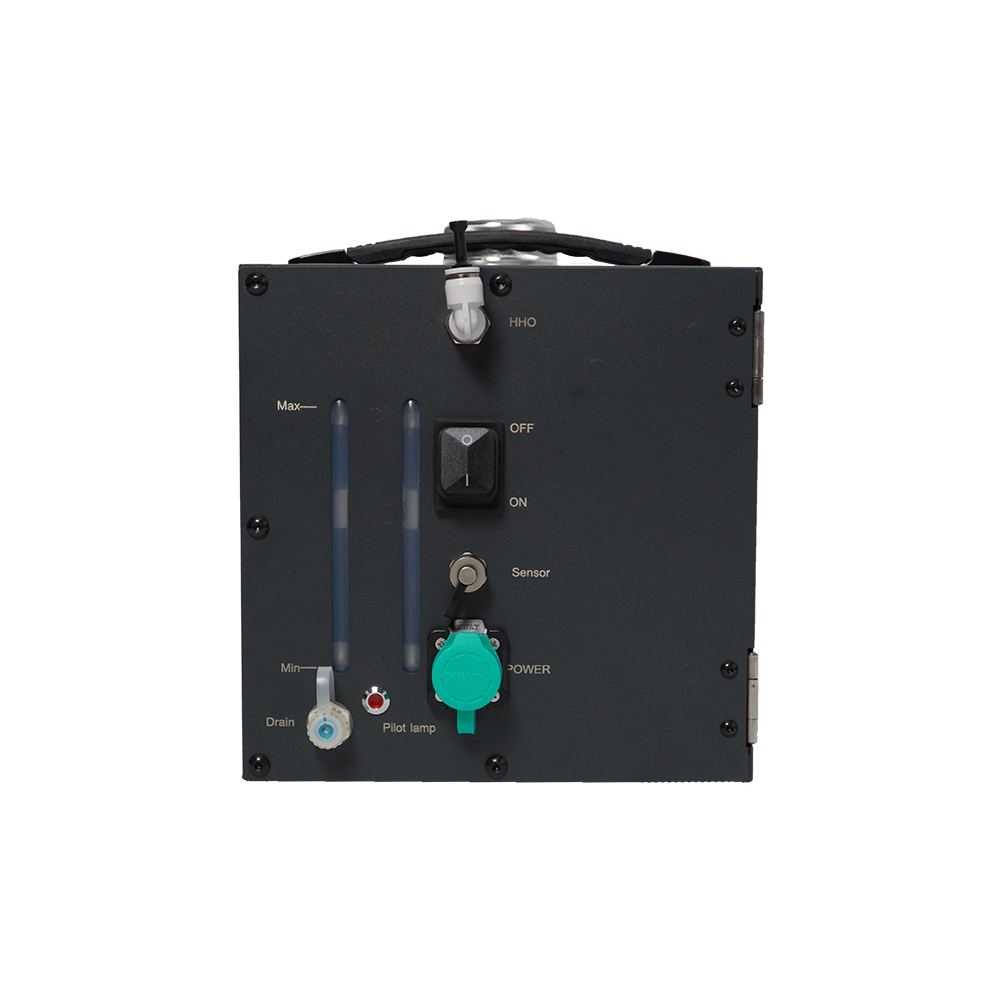
- Connecting cables — the full kit is integrated in one enclosure for straightforward mounting in the chassis or engine bay.
The complete layout is shown on the hydrogen generator kit for truck page.
Why combustion support matters more on trucks
Diesel engines running loaded routes accumulate carbon faster than passenger cars, and partially burned fuel shows up directly in liters per 100 km. Hydrogen enrichment is a combustion-support mechanism: its effect depends on engine condition, load profile and operating conditions, which is exactly why the supplier’s target should be verified with each fleet’s own route data rather than assumed.
Deploying the kit across a fleet
- Pilot first: instrument a few trucks with the kit, log fuel consumption over comparable routes, and compare against the manufacturer’s 10%–18% target before scaling.
- Plan water service: the tank supports long runs, but fleet maintenance schedules should include water top-up and filter checks at intervals agreed with the supplier.
- Verify electrical integration: heavy vehicles run 24 V systems; confirm module compatibility during installation.
- Check regional rules: some markets require aftermarket intake modifications to be declared for inspection.
Fleet buyers and distributors can request configurations matched to engine displacement and route profiles — start from the truck kit page or contact us with your fleet profile for a tailored quotation.
LEAVE A MESSAGE
WE EXPORTED TO