HHO Generators for Boiler Heating: Hydrogen Enrichment for Steam Boilers
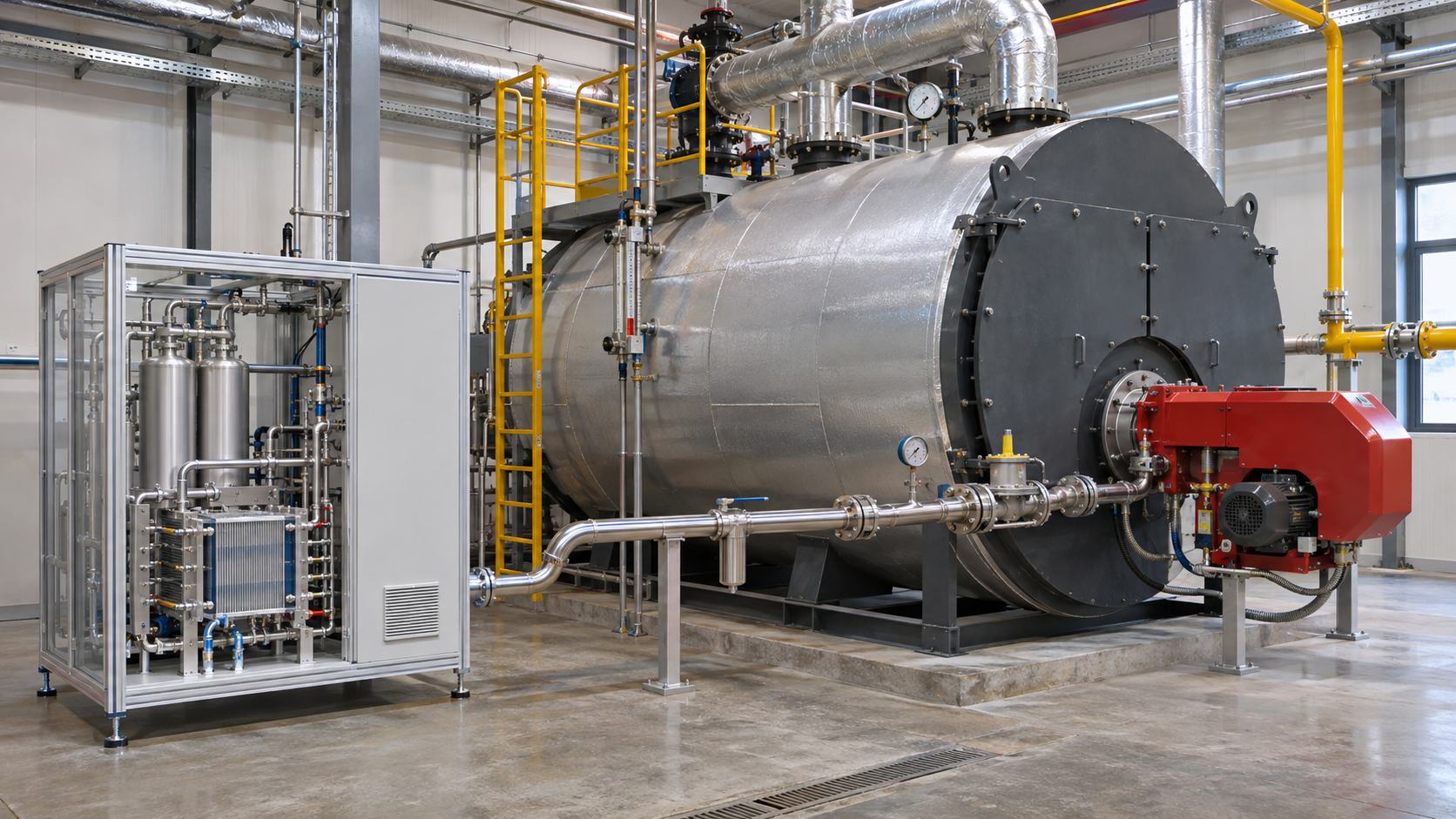
Feeding a small HHO stream into a boiler burner improves combustion of the main fuel and cuts hydrocarbon emissions. This guide covers how enrichment works, the DY boiler series, and what plant engineers should check before installing.
Steam and heating boilers run on gas or oil, and incomplete combustion of these fossil fuels releases unburned hydrocarbons, carbon monoxide and carbon dioxide while wasting fuel energy. Hydrogen enrichment adds a controlled stream of HHO gas into the burner air-fuel mix so the main fuel burns more completely — the approach behind the DY boiler-support generator series.
Why hydrogen helps the main fuel burn
Hydrogen burns fast and hot: in air its flame temperature is about 2,045°C against roughly 1,325°C for methane, the main component of natural gas. Adding even a small hydrogen fraction to the burner mix speeds ignition and spreads the flame front, which pushes the combustion reaction closer to completion. The plant-level result the series targets is steadier flame, reduced unburned hydrocarbon emissions and fuel savings on the primary gas or oil supply.
The DY boiler-support range
| Model | Gas output | Power | Water consumption | Supply |
|---|---|---|---|---|
| DY3500 | 3,500 L/h | 10 kW | 1.9 L/h | 380 V |
| DY6000 | 6,000 L/h | 20 kW | 3.2 L/h | 380 V |
| DY10000 | 10,000 L/h | 35 kW | 5.4 L/h | 380 V |
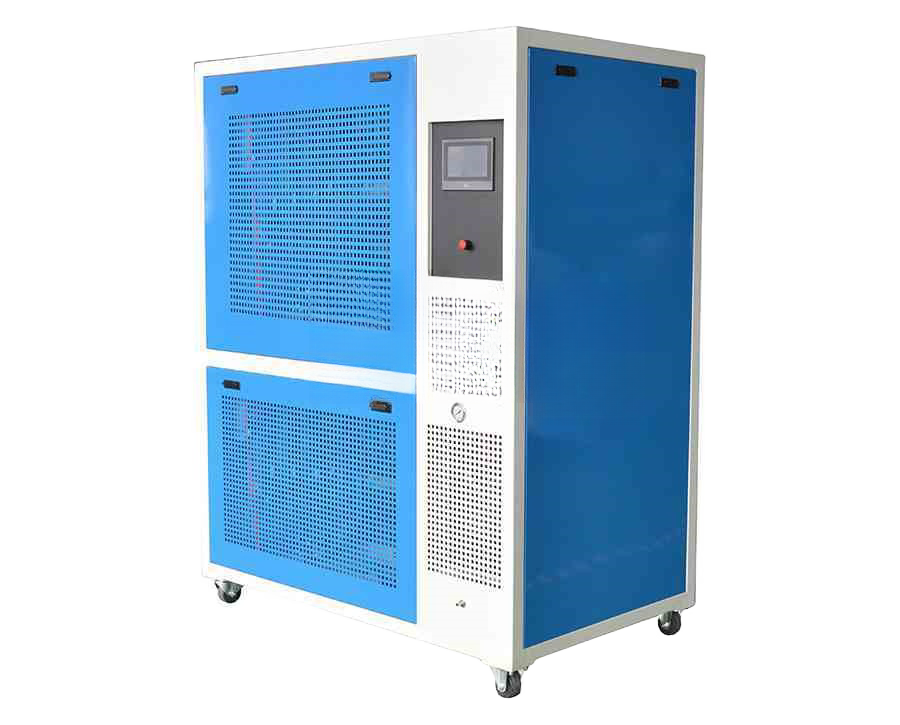
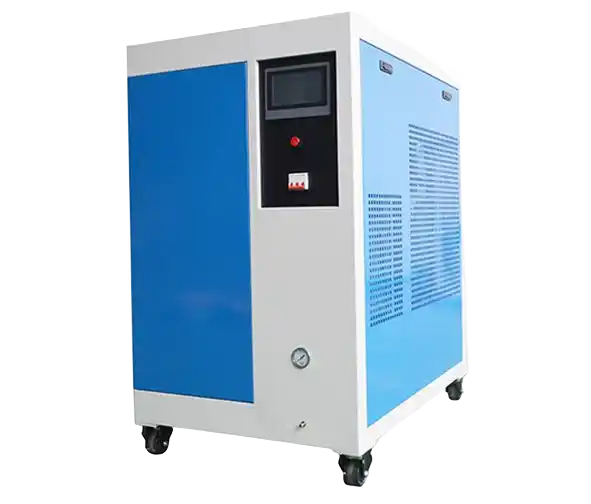
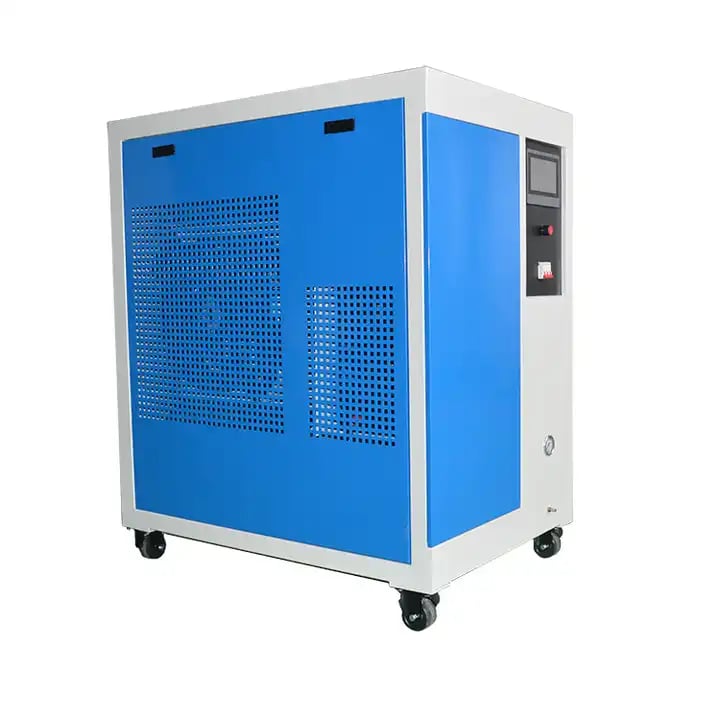
All three run at a working pressure of up to 0.2 MPa, use automatic water supply, and are water-cooled for continuous operation; the units electrolyze purified water only, with no chemical electrolyte for the boiler room to handle. Model selection follows boiler size and burner input — see the DY3500 HHO generator for boiler heating as the entry unit and step up with boiler capacity.
What plant engineers should check before installing
- Boiler capacity match: select the generator so its HHO output suits the burner’s fuel input; oversized units only add power cost.
- Injection point and flashback protection: confirm where the HHO line enters the burner stream and that non-return and flashback protection are included.
- Water supply: automatic feed needs a purified-water connection; plan consumption at 1.9–5.4 L/h depending on model.
- Baseline measurement: log fuel consumption and flue-gas readings for a period before installation, then compare after commissioning to verify the savings on your boiler.
- Local compliance: confirm combustion-modification rules for boilers in your jurisdiction with the local authority.
For plants evaluating enrichment, request sizing support with your boiler’s steam capacity and burner specifications, and ask for the commissioning checklist that accompanies the boiler-support generators.
LEAVE A MESSAGE
WE EXPORTED TO